
Event recap
Reimagining the State: Towards Building a Model Constitution
The One-Text Initiative, together with the Nexus Research Group, launched its consultation process for developing a Model Constitution for Sri Lanka on 19 March 2026 at the Sri Lanka Foundation. The first roundtable, focusing on the Nature of the State and Sovereignty, was led by Dr. Jayampathy Wickremaratne and brought together experts for a forward-looking discussion on constitutional transformation.
Date
19 March 2026
Venue
Sri Lanka Foundation
Recorded by
OneText facilitation team
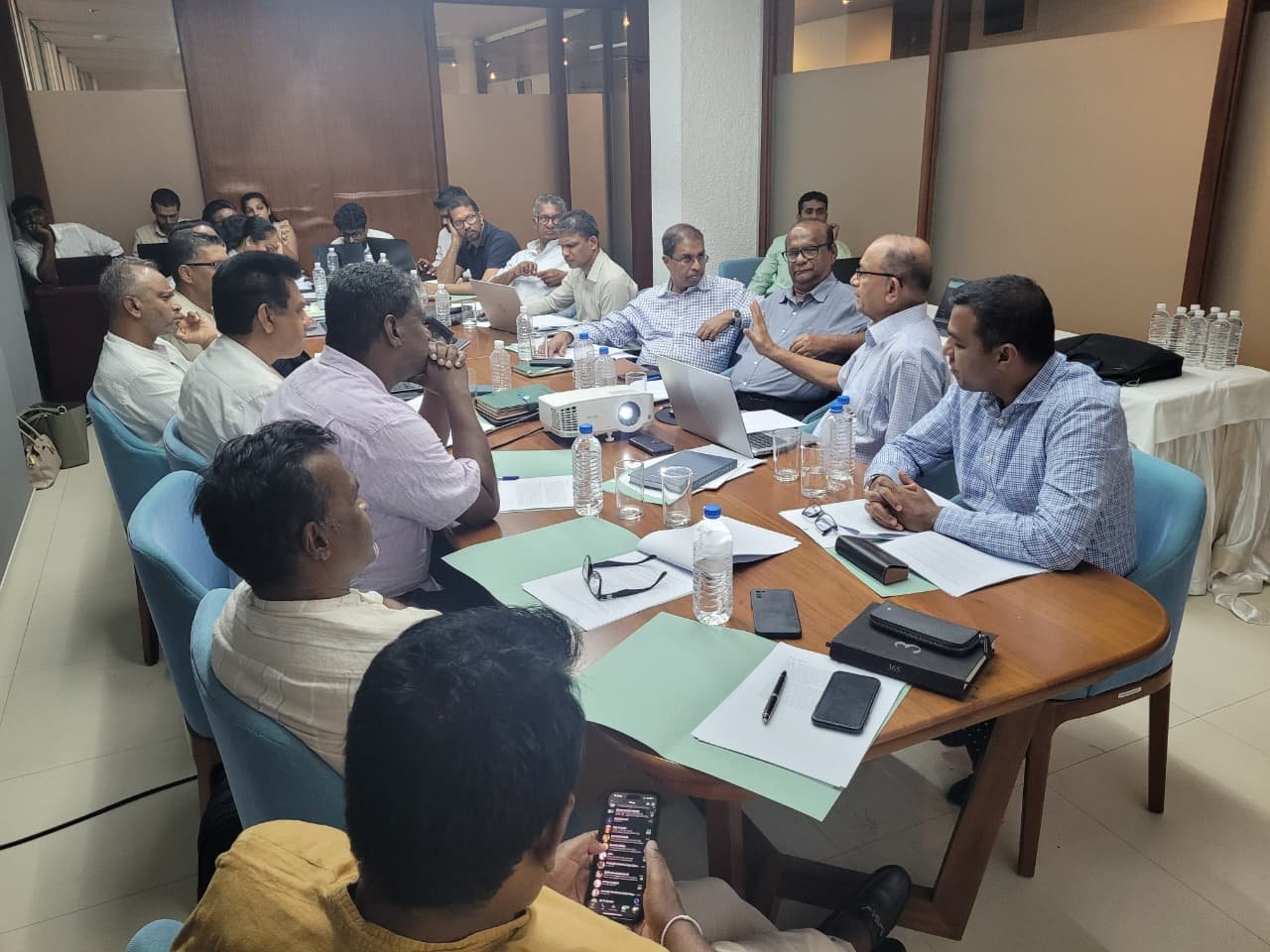
One-Text Initiative, in collaboration with the Nexus Research Group, commenced its consultation process for developing a Model Constitution for Sri Lanka on 19 March 2026 at the Sri Lanka Foundation. The first roundtable of the first cluster which focuses on the Nature of the State and Sovereignty was led by Dr. Jayampathy Wickremaratne and brought together experts from the field and political science for an in-depth and forward-looking discussion.
Given the expertise at the table, participants moved beyond foundational concepts and engaged with the broader vision of constitutional transformation. A key point of reference was the manifesto of the National People's Power (NPP) government, which proposes a new constitution featuring a return to a parliamentary system, the abolition of the executive presidency, electoral reform, the expansion of fundamental rights to include economic, social, and cultural protections, and strengthened guarantees for women, children, and people with disabilities. The manifesto also emphasises the devolution of political and administrative power to provincial, district, and local levels.
The discussion centred on the nature and purpose of the proposed constitution. Participants commented on the need for a clear commitment to a constitutional order that safeguards democracy, ensures transparency, and upholds the independence of institutions. Such goals, it was argued, could only be realised through a transformative constitution which is oriented toward systemic change rather than incremental reform. Civil society was seen as playing a crucial role in advocating for this deeper structural shift.
There was broad consensus that the current constitutional framework in Sri Lanka lacks true supremacy, prompting reflection on how a new model constitution might firmly establish constitutional authority as the foundation of governance. Comparative perspectives, including Western and Indian approaches to secularism, were also examined to draw lessons on accommodating religious diversity within a constitutional framework.
The discussion further engaged with issues such as the significance of Article 9, particularly its implications for religion and the state, and whether it should be retained or reimagined within a pluralistic constitutional order.
Participants discussed the process of building a foundational structure for a pluralistic, rule-based framework which constitutionally binds sovereignty to diversity, strengthens subsidiarity and financial sovereignty, and secures national unity through the supremacy of the Constitution rather than centralised power.
Event gallery
More from the dialogue record
All events →
Jul 18, 2026
Jaffna
Dialogue with ITAK Leadership on the Model Constitution Process
The One-Text Initiative met with C. V. K. Sivagnanam, Acting Leader of the Illankai Tamil Arasu Kachchi (ITAK), and M. A. Sumanthiran, Acting General...
Read event recap →
Jul 18, 2026
Jaffna
Dialogue with EPDP on the Model Constitution Process
The One-Text Initiative met with Douglas Devananda of the Eelam People’s Democratic Party (EPDP) in Jaffna for a constructive discussion on Sri Lanka’...
Read event recap →Knowledge library
Publications behind the dialogue
Policy briefs, research papers, and monthly committee summaries that inform every convening.
Browse publications →